


Quick links
Trip Inquiry
Our travel experts are ready to customize and plan your next journey, trek, tour or rafting. Contact us by phone or message.


Dashain is one of the longest and most important festivals in Nepal, a time when
families come together to celebrate the triumph of good over evil. The air of celebration
is palpable throughout the country, from the bustling markets of Kathmandu to the
quietest villages. The city skies are a canvas of colorful kites, while people flock to
shops to buy new clothes, which are a key part of the festivities.
The festival spans ten days and is dedicated to honoring the goddess Durga in her various forms. Each day holds special significance, and devotees visit temples to offer prayers and seek blessings. The festival officially begins on the first day, known as Ghatasthapana. On this day, families sow barley seeds in a sacred container filled with sand and soil. These seeds are carefully watered and worshipped for ten days, symbolizing the sprouting of life and prosperity.
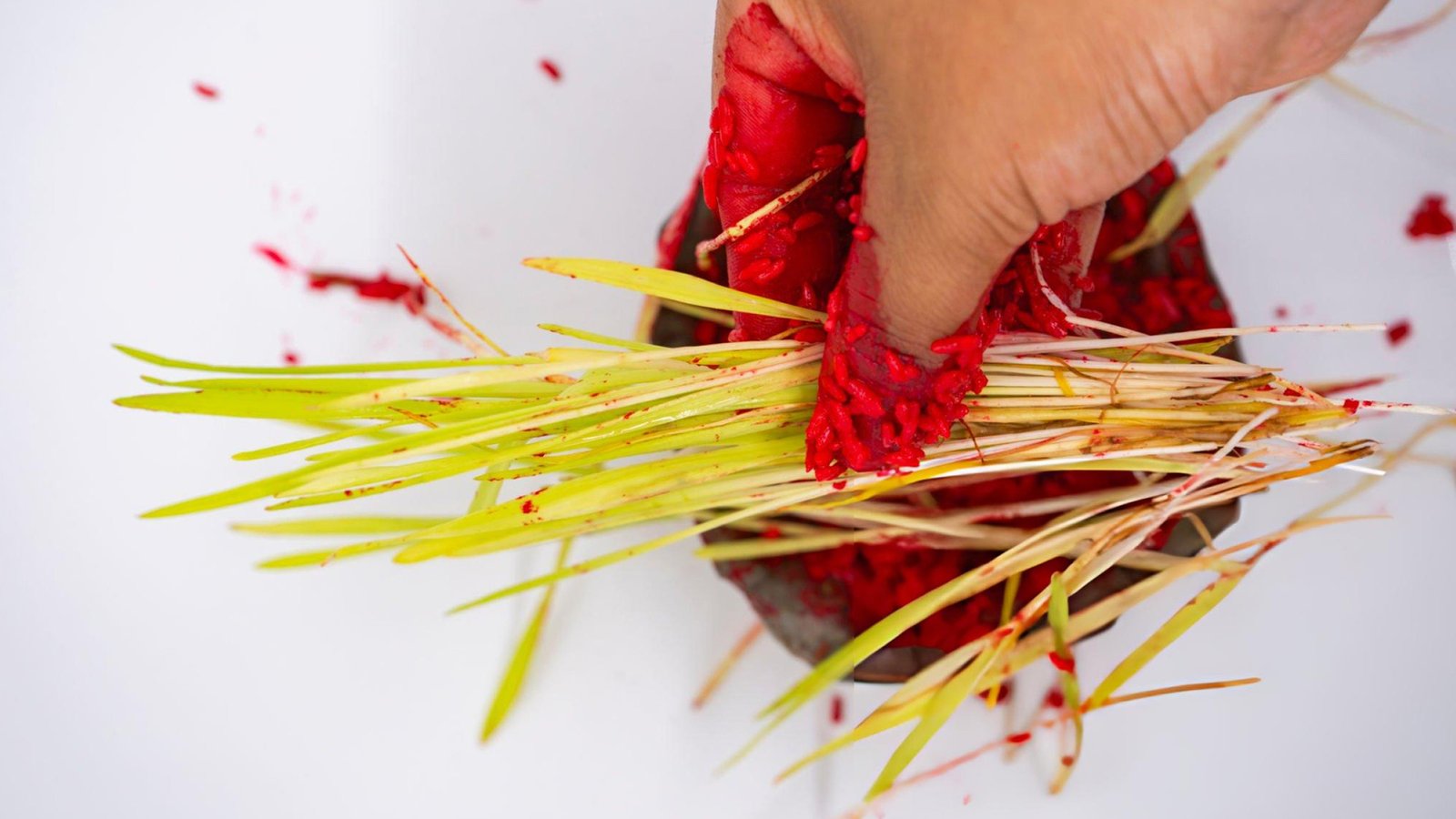
The culmination of the festival is on the tenth day, Dashami. It's on this day that the young barley shoots, now grown into golden sprouts called Jamara, are taken out. Along with a red Tika—a paste made from red vermilion and rice grains—the Jamara is placed on the foreheads of younger family members by their elders. This act is a deeply meaningful tradition, as it represents blessings, good fortune, and the passing of wisdom from one generation to the next.
Following Dashami, the celebrations continue for several more days until the full moon. This extended period is a joyous time of feasting, visiting relatives, and spending quality time with loved ones. It is a true testament to the strong family bonds that are central to Nepali culture. The highly anticipated festival officially concludes on the full moon day, leaving behind a feeling of joy and unity that lasts until the next year.
The festival spans ten days and is dedicated to honoring the goddess Durga in her various forms. Each day holds special significance, and devotees visit temples to offer prayers and seek blessings. The festival officially begins on the first day, known as Ghatasthapana. On this day, families sow barley seeds in a sacred container filled with sand and soil. These seeds are carefully watered and worshipped for ten days, symbolizing the sprouting of life and prosperity.
The culmination of the festival is on the tenth day, Dashami. It's on this day that the young barley shoots, now grown into golden sprouts called Jamara, are taken out. Along with a red Tika—a paste made from red vermilion and rice grains—the Jamara is placed on the foreheads of younger family members by their elders. This act is a deeply meaningful tradition, as it represents blessings, good fortune, and the passing of wisdom from one generation to the next.
Following Dashami, the celebrations continue for several more days until the full moon. This extended period is a joyous time of feasting, visiting relatives, and spending quality time with loved ones. It is a true testament to the strong family bonds that are central to Nepali culture. The highly anticipated festival officially concludes on the full moon day, leaving behind a feeling of joy and unity that lasts until the next year.